Tag: Industry News

  • Dealer Snow Removal Equipment Programs: What to Stock Before Winter Routes Start

    Dealer Snow Removal Equipment Programs: What to Stock Before Winter Routes Start

    Dealer and winter-operations equipment coverage
    English trade-editorial updates from KINGO ANDA

    Industry News
    Dealer Snow Removal Equipment Programs: What to Stock Before Winter Routes Start

    Dealers can plan snow-removal attachment programs before winter by locking fit, wear parts, demos and reorder paths around real route demand.
    Published June 23, 2026
    Dealer Program
    KINGO ANDA Blog

    Dealer Snow Removal Equipment Programs: What to Stock Before Winter Routes Start

    The first day of the 2026 SIMA Snow & Ice Symposium is a useful reminder for dealers: winter equipment decisions are not made in winter. They are shaped during the summer, when contractors, municipal crews and property-maintenance buyers are reviewing last season, walking the show floor, checking inventory and deciding which equipment lines deserve space before the first storm.

    That is the right timing for a dealer snow removal equipment program. A dealer does not need to stock every attachment in a supplier catalog. The stronger move is to define one or two repeatable packages, confirm the parts path behind them, and make sure the sales team can explain where each tool fits on real routes.

    For walk-behind power equipment, this matters more than usual. Buyers are not only comparing the machine. They are comparing whether a compact platform, the snow attachment, the wear parts and the supplier support can hold together through a messy season.

    Why June is already preseason for snow dealers

    Public works and commercial snow operators use the warm months to review what failed, what stayed productive and what has to be ready before fall. Recent APWA coverage made that point plainly: winter operations are treated as a year-round program, not a last-minute scramble. The same discipline applies to dealers that want snow equipment sales to be more than a seasonal rush.

    The practical window is short. By the time contractors start chasing equipment after the forecast turns, the best packages, parts and demo slots may already be spoken for. Dealers that wait until cold weather often end up selling whatever is left. Dealers that plan in June can build a cleaner story: this is the route type, this is the attachment set, this is the wear-part list, and this is how the buyer reorders before storms stack up.

    That is a stronger sales position than a generic snow equipment brochure.

    Build the package around the route buyer

    A sidewalk contractor, a campus maintenance crew and a small municipal team may all ask for snow equipment, but they do not buy for the same reason. The route buyer should decide the package.

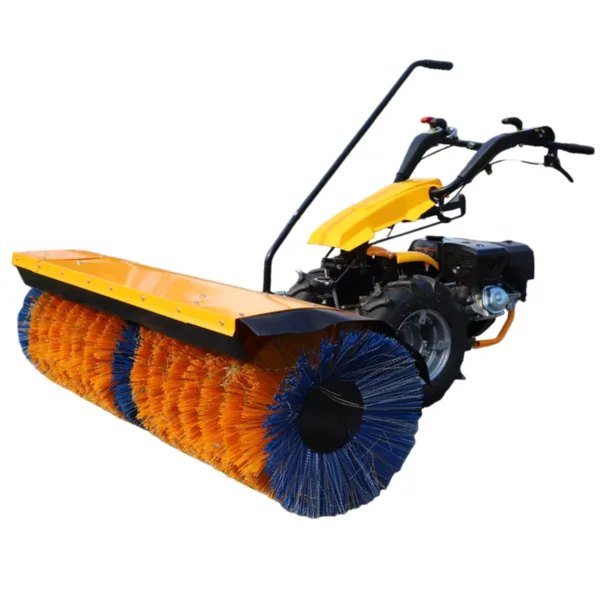
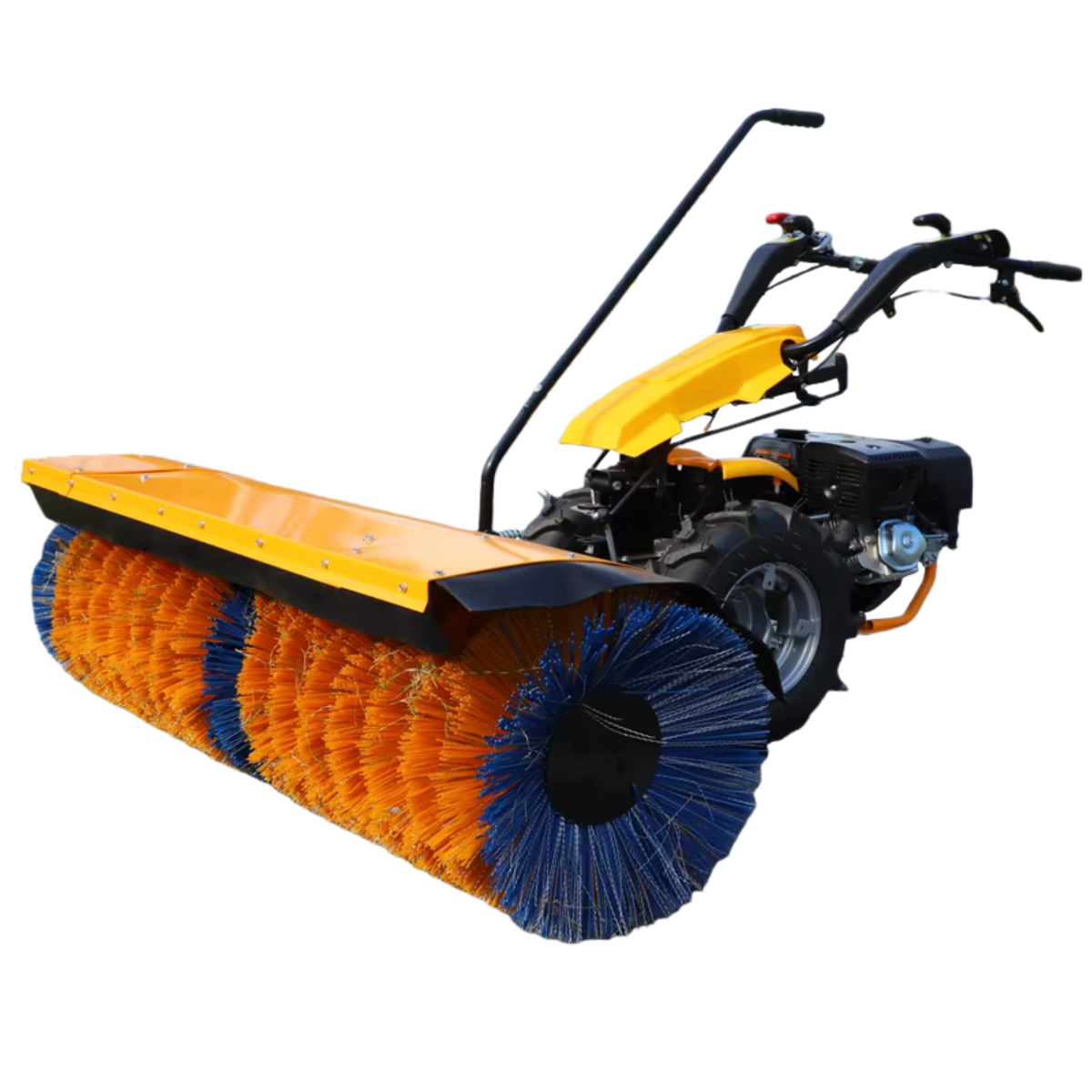
    For narrow sidewalk work, a snow sweeper or a push and sweep 2-in-1 attachment can make sense when the buyer needs cleaner pavement, faster passes and less dependence on large machines. For heavier accumulation or windrow cleanup, a dealer may need to compare that against a compact thrower or a blade. The point is not to make one attachment win every route. The point is to make the salesperson explain the route fit before price takes over.

    The dealer should also decide which buyer language belongs on the quote. A contractor may care about labor time and service calls. A municipal buyer may ask about training, route coverage and repeatability. An OEM or private-label buyer may care about sample approval, carton data, manuals and how the same platform supports more than one seasonal SKU.

    Separate display inventory from storm-critical parts

    Many dealers think about inventory as units on the floor. Snow programs need a second list: storm-critical parts.

    Brushes, belts, scraper edges, shear pins, cables, fasteners and common service parts are not exciting, but they decide whether a buyer trusts the line after the first storm. A dealer that sells a snow attachment without a basic parts plan is selling a risk. A dealer that can say, “Here is the attachment, here is the normal wear list, here is what we keep on hand, and here is the reorder path,” sounds like a supplier instead of a reseller.

    This is where the Parts & Service conversation should start before the season, not after a breakdown. The dealer should know which parts are shared across attachments, which are unique to each tool, and which items should be stocked locally because a late shipment during a storm is not acceptable.

    What to confirm before sample orders

    Sample orders should be treated as program tests. Before a dealer accepts a sample, the supplier should be able to answer four basic questions.

    First, which base units and attachments are truly compatible without improvised adapters? Second, what documents will come with the sample: specs, operating notes, carton information, spare-parts references and image assets? Third, which parts should be stocked with the first sales push? Fourth, what changes if the buyer wants private label, regional packaging or a mixed snow-removal kit?

    If those answers are vague, the dealer is not ready to scale the line. If they are clear, the sample becomes more useful than a product photo. It becomes a small version of the whole dealer program.

    Use a narrow package to make the first sale easier

    The first package should be narrow. A walk-behind power unit, one lead snow attachment, one alternative attachment for route comparison, and a defined parts kit is easier to sell than a wall of choices.

    For KINGO ANDA, a dealer might start with a compact snow-removal package around the multifunction power unit, the push and sweep 2-in-1 attachment, and a comparison path to the snow sweeper or blade. That gives the buyer enough choice without turning the conversation into a catalog review.

    The package can then expand once the dealer knows what buyers ask for in the field. If customers keep asking about scraper edges, stock those. If they ask about heavier snow, compare the thrower. If they ask about year-round use, connect the same platform to mowing, tilling or cleanup attachments. The first program should create a repeatable buying path, not a one-time equipment quote.

    A better dealer question before winter

    The best question is not, “How many snow products can we list?” It is, “Which package can our sales and service team support without improvising during the first storm?”

    Dealers and OEM buyers building a winter line can use KINGO ANDA’s Dealer Support path to compare package options, then send the target route type, attachment mix, annual volume and parts requirements through the contact page. A cleaner preseason package usually produces a cleaner winter sale.

    Dealer package

    Need a preseason snow-removal package with parts support?
    Request Specs

  • Municipal Sidewalk Snow Removal Equipment: How Buyers Evaluate a Walk-Behind Sweeper Package

    Municipal Sidewalk Snow Removal Equipment: How Buyers Evaluate a Walk-Behind Sweeper Package


    OEM, dealer and municipal equipment coverage
    English trade-editorial updates from KINGO ANDA

    Industry News

    Municipal Sidewalk Snow Removal Equipment: How Buyers Evaluate a Walk-Behind Sweeper Package

    How municipal and property-maintenance buyers compare walk-behind snow sweeper packages, attachment fit, parts support and RFQ readiness.

    Published June 18, 2026
    Industry News
    KINGO ANDA Blog

    Municipal Sidewalk Snow Removal Equipment: How Buyers Evaluate a Walk-Behind Sweeper Package

    Public-works snow planning does not wait for the first storm. In June 2026, APWA’s winter-maintenance coverage again made two points clear: agencies still carry ADA obligations on accessible routes during snow events, and spring-to-summer is the right window to review routes, equipment, parts and training before the next winter cycle begins. For buyers responsible for sidewalks, curb ramps, campuses, property routes and other tight pedestrian areas, that usually shifts the conversation away from headline horsepower and toward attachment fit, route width, serviceability and changeover speed.

    That is exactly where a walk-behind sweeper package enters the discussion. For many municipal, contractor and property-maintenance buyers, a sweeper is not being compared with a full truck plow. It is being judged as part of a compact route package: one power unit, one operator, several attachment options, and a practical plan for sidewalks and narrow access points that larger equipment handles poorly.

    Start with the route, not the machine

    The first serious buyers usually map the route before they compare product sheets. They want to know how much of the work is straight sidewalk, how many curb ramps need to stay open, where snow can be placed without blocking access, and which sections are too narrow or too exposed for larger equipment.

    That matters because municipal sidewalk snow removal equipment is not one product class. One route may need a rotating brush for light to moderate accumulation and surface cleanup. Another may need a thrower attachment where snow stacking space is limited. A mixed route may need a sweeper package for routine passes and a second attachment for heavier events. Buyers who understand the route first usually write better RFQs and avoid buying an attachment that only performs well in ideal conditions.

    For teams building around a compact platform, the most important question is often whether one power unit can support multiple winter tasks without creating a service headache. On the KINGO ANDA side, that means looking at the Multifunction Power Unit together with the broader Snow Removal attachment range instead of judging a single attachment in isolation.

    Why a walk-behind snow sweeper package gets attention

    A walk-behind sweeper package earns attention when buyers need tighter maneuverability, lower route disruption and more flexible off-season use than they can get from a larger dedicated winter machine. A rotating brush is especially relevant on sidewalks, plazas, school approaches, healthcare access paths and managed commercial properties where surface finish and edge control matter.

    The practical value is not only winter-facing. Dealers and municipal buyers both like equipment platforms that can stay relevant outside peak snow months. That is one reason compact attachment systems continue to attract interest across outdoor power and grounds-care channels: the same core unit can support winter work, then switch into warm-season cleanup or grounds-care use when the weather turns. For buyers, that helps justify storage space, training effort and spare-parts planning across a longer season.

    On KINGO ANDA’s current range, the Snow Sweeper is the clearest entry point for this conversation. It gives buyers a straightforward way to discuss sidewalk clearing, surface contact and route productivity before moving into complementary options such as the Compact Snow Thrower for deeper accumulation or throw-distance needs.

    What experienced buyers ask before RFQ approval

    Serious buyers rarely stop at a brochure headline. They ask how the package behaves in the exact parts of the route that create complaints, delays or liability. In practice, the question set is usually simple.

    First, does the attachment width match the route? A sweeper that looks efficient on a broad paved area may become awkward around curb ramps, bollards, parked vehicles or property transitions. Second, how quickly can an operator switch attachments if conditions change during the same weather event? Third, what wear parts should be stocked locally, and how long does replenishment take in season? Fourth, what documents can the supplier provide early: specification sheets, packing information, spare-parts lists and sample-order support?

    Dealer buyers add another layer. They want to know whether the package is narrow enough in concept to sell cleanly, but broad enough in attachments to justify the relationship. That is why attachment-platform businesses often win more interest than one-product winter pitches. A dealer can position one core unit with multiple seasonal use cases, then keep the conversation open on parts, accessories and private-label supply. KINGO ANDA’s Dealer Support page already points in that direction, with one power unit and multiple attachment packages as the commercial story.

    Build the package around one operator workflow

    Many equipment suppliers still present winter attachments as a parts list. Buyers, however, think in workflows. They want to know what one trained operator can realistically cover, what stays on the trailer, what must be changed in the field, and what creates downtime when the weather is moving faster than the crew can react.

    That is why the most convincing package discussion is usually operational, not promotional. Explain which attachment handles light accumulation and cleanup. Explain when the route should shift from brushing to throwing. Explain which spare items should travel with the crew. Explain how the platform can move from winter routes into other attachment-led tasks after the season. This is more useful than claiming a machine does everything. Buyers know no machine does everything. What they want is a package that covers their actual route with fewer gaps.

    For OEM and private-label conversations, the same logic applies. Importers and regional distributors do not only need a good attachment. They need a package they can document, support, train and reorder without confusion. That makes consistency in attachment compatibility, parts naming and packaging more important than sales copy.

    What to request before a sample or quote decision

    Before moving a sweeper package toward sample approval or a formal quote, buyers should ask for a short but complete information set: the power-unit specification, the sweeper attachment specification, a compatibility list for related snow attachments, a basic spare-parts recommendation, packaging details, and the expected order path for dealer or OEM business. If the route includes mixed sidewalk conditions, request guidance on where a sweeper is the right tool and where a thrower or second attachment should be considered instead.

    That kind of preparation leads to cleaner RFQs, better dealer qualification and fewer surprises after arrival. It also gives the supplier a better chance to recommend the right winter package instead of forcing every inquiry into the same attachment.

    If you are comparing winter attachments for municipal sidewalks, property-maintenance routes or a dealer snow package, start with the route and build outward from there. KINGO ANDA can support that review with the power unit, the current snow-removal attachment range, and a dealer/OEM workflow built around sample, document and package discussions rather than generic product claims.

    Dealer / OEM discussion

    Need a tighter RFQ package or attachment comparison?

    Request Specs