Dealer Receiving / Pre-Delivery Inspection
Walk-Behind Snow Equipment Pre-Delivery Inspection Checklist
A receiving and pre-delivery inspection checklist for dealers handling walk-behind snow equipment, attachments, accessories and buyer proof files.
A dealer should not discover a missing bracket, mismatched attachment or unreadable model label while a customer is waiting for delivery. A pre-delivery inspection gives the receiving team one controlled point to compare the purchase order, the machine and the handover file before the package enters stock or leaves for a job site.
This is different from a factory production test and different from an operator’s daily inspection. The dealer is confirming what arrived, whether it can be assembled and checked according to the supplied instructions, and which exceptions must be resolved before customer handover.
The checklist should follow the exact power unit and attachment combination. A snow sweeper, blade and compact thrower may share a walk-behind platform, but they do not share every guard, control, wear part or setup step.
Match the delivered package to the purchase order
Begin before opening every carton. Photograph shipment marks and record package condition at receipt. Compare the packing list with the order: power unit, attachment model, interface kit, wheels or tires, control cables, guards, manuals, tool kit and ordered spare parts. If the dealer uses an internal stock number, link it to the manufacturer’s model and serial or batch identity.
Check the identity plates on the power unit and attachment against the invoice and approval record. The model name used on a carton is not enough when several attachment revisions look similar. Record the engine or power-source version where relevant, because service parts and instructions may depend on it.
For mixed packages, use a compatibility reference rather than memory. KINGO ANDA’s walk-behind attachment compatibility guide explains the fields dealers should confirm before treating an attachment as a fit for a given platform.
Record shipping condition before assembly
Receiving photographs should show more than the outside of a clean carton. Capture damaged corners, broken bands, punctures, wet areas, shifted components and loose hardware before disposal of packing material. Photograph the machine from several sides and include close views of any impact point.
Count loose accessories and fastener packs against the packing list. Keep unidentified hardware separate until the manual or parts diagram shows where it belongs. If oil, fuel or battery preparation is required, do not guess from a similar model. Follow the instructions supplied for the exact unit and local requirements.
Packaging evidence is especially useful for dealer and OEM orders. The existing guide to carton marks, labels and spare-parts packs can be used to define the photo set before the shipment leaves the factory.
Assemble and function-check under the correct instructions
Assembly and starting work should be completed by trained personnel using the manufacturer instructions. Confirm guards, shields, control cables, handles, fasteners, tires and the attachment interface before operation. A fastener that is present is not necessarily tightened to the required value; use the specified procedure and tools.
Operate controls in a clear test area. Confirm that start, stop, drive, steering or clutch functions respond as described, and that safety devices are present and not bypassed. Listen and look for abnormal contact, vibration, leaks or loose parts. Stop the check if a condition is uncertain.
The goal is not to create a dramatic demonstration video. It is to produce a repeatable record of the delivered configuration and any corrective work. A dealer preparing display or sample units can pair this step with the dealer demo-unit setup checklist.
Use attachment-specific acceptance points
Each attachment needs a short acceptance section in addition to the common power-unit checks. The dealer should use the supplied manual for limits, adjustment methods and safe test conditions. The table below defines the evidence categories, not technical acceptance values.
| Package item | Dealer check | Evidence to retain |
|---|---|---|
| Power unit | Identity, controls, guards, tires, fluid preparation and visible condition. | Plate photos, four-side photos and signed common inspection sheet. |
| Snow sweeper | Interface, brush condition, drive engagement, guard clearance and direction controls. | Attachment plate, interface photos and short operating record. |
| Snow blade | Mounting points, cutting edge, skid shoes, pivot or angle lock and fasteners. | Front/side photos and adjustment record. |
| Compact thrower | Interface, housing, chute controls, guards, shear hardware and drive engagement. | Close-up photos and controlled no-load check where instructed. |
| Parts and documents | Manual revision, parts list, ordered wear kit, warranty procedure and dealer contacts. | Document index and accessory count. |
Do not treat one successful start as acceptance of every attachment. If the delivered package includes multiple tools, record each tool separately. Snow-sweeper buyers can also use the brush replacement planning guide to identify the measurements and wear records that matter after delivery.
Close exceptions before customer handover
Every failed or incomplete check should have an owner and disposition. Record missing parts, transport damage, adjustment required, replacement part ordered, supplier question and retest result. Do not mark the package complete while an exception remains only in a message thread.
The final dealer file should contain the receiving photos, identity record, completed inspection sheet, corrective-action notes, accessory count, manual and parts references, and the customer handover items. If an attachment or control was changed, update the record before the unit is released.
A clean handover also supports the service counter. Link the unit to the correct wear-part list and support contact through the Parts & Service page. For a larger dealer program, the Dealer Support page outlines document, parts and package-planning support.
Build the inspection around the actual package.
Send the power-unit model, attachment mix, target market and dealer handover requirements. KINGO ANDA can organize the model references, package list and support-file checkpoints for buyer review.
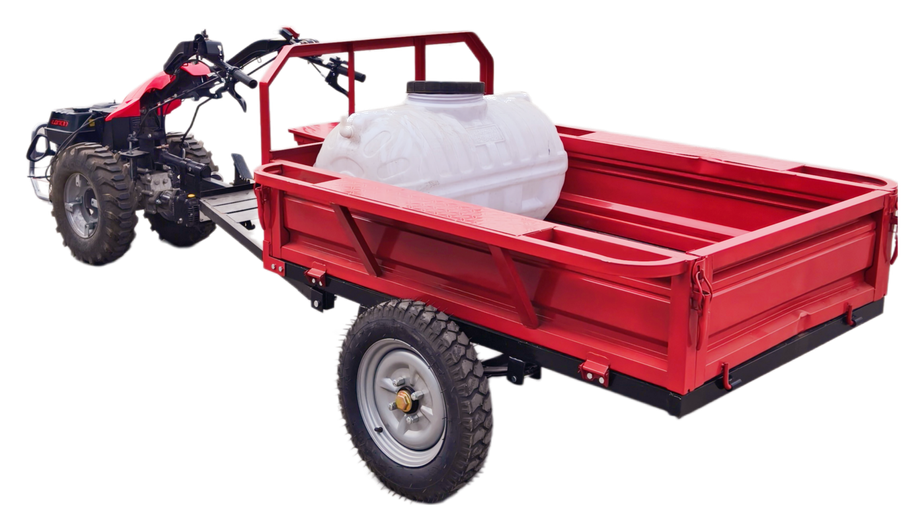
Editorial references: OPEI product standards listing and Briggs & Stratton manuals and illustrated parts lists. Always follow the instructions for the exact machine and attachment. Image source: first-party KINGO ANDA walk-behind tractor package asset, owned site media.