English trade-editorial updates from KINGO ANDA

Grounds-Care Attachments for Walk-Behind Power Units: What Property Buyers Should Compare
Property-maintenance buyers can compare mowing, tilling, blowing and washing attachments on one walk-behind power-unit platform before RFQs move.
Summer is when property-maintenance buyers, grounds crews and local dealers make the practical decisions that shape next season’s equipment mix. Winter attachments may carry the headline in January, but June and July are when buyers look at crew utilization, storage, service access and whether one compact platform can stay productive beyond snow season.
That timing matters for walk-behind power-unit suppliers. Recent dealer and contractor coverage across the OPE market has focused on productivity, demonstrations and keeping crews effective with the people already on staff. For buyers who manage sidewalks, campuses, estates or mixed seasonal contracts, the real question is not whether an attachment works in isolation. It is whether the base machine and the warm-season tools around it will hold up through mowing, soil work, cleanup and utility jobs without creating a parts and training headache.
For KINGO ANDA, that makes grounds-care attachments more than an off-season add-on. They are what turns a winter-focused machine purchase into a year-round platform decision.
Start with the power unit, not the attachment headline
Many inquiries begin with the attachment name. A buyer asks about a mower, a rotary tiller or a blower because that is the job they need to solve right now. In practice, experienced dealers usually work in the opposite direction. They start with the base unit, then judge whether the attachment family is broad enough to support the account for more than one season.
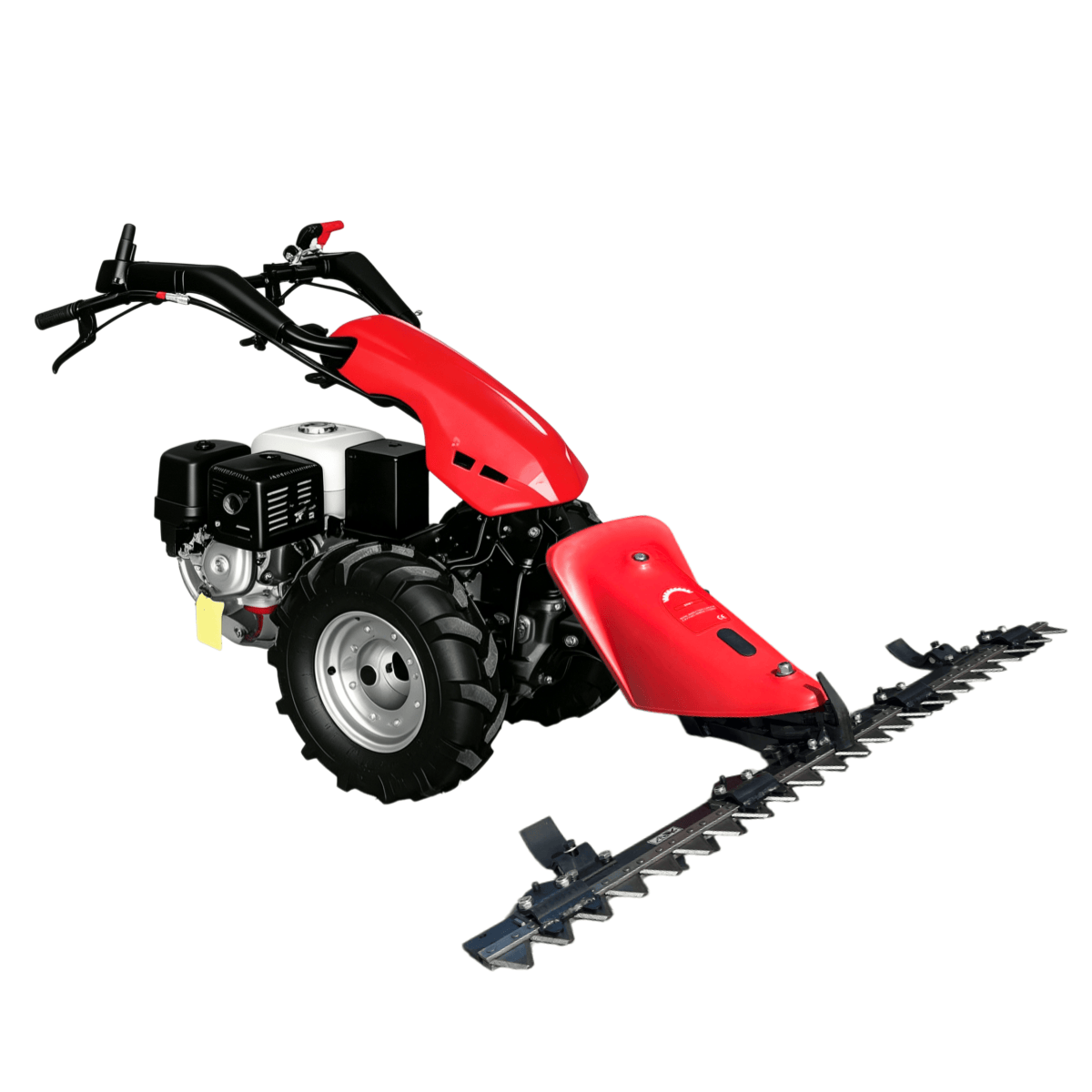
A compact platform such as the multifunction power unit should be assessed on three points first: power delivery, attachment-change workflow and service access. If those fundamentals are weak, the attachment list on paper does not mean much. If those fundamentals are solid, the same platform can move from late-spring tilling to summer mowing, then into cleanup and pressure-washing work before winter kits come back into the conversation.
That is especially relevant for property-maintenance contractors and municipal-style buyers who do not want a separate machine for every narrow task. They need a platform that crews can learn once, store easily and keep moving between job types.
Which grounds-care attachments belong in a practical package
The warm-season package should be built around the work mix, not around the biggest attachment list a supplier can print in a brochure.
For grass and verge control, the mower attachment is the most straightforward starting point. Buyers should look beyond cutting width and ask where the tool fits: roadside edges, property lanes, campus walkways or mixed open-space maintenance. The right mower attachment earns its place when crews can move quickly through narrow areas that are awkward for larger ride-on equipment.
For soil preparation and seasonal grounds reset work, the rotary tiller belongs in the discussion. This is less about broad-acre agriculture and more about small-area site work, bed preparation and mixed-use property jobs where maneuverability matters as much as outright width. Dealers serving contractors often find that a tiller attachment becomes more convincing when it is sold as part of a platform that can switch to other work after the soil job is done.
Cleanup work is where many buyers either gain confidence in the platform or walk away from it. A blower or a high-pressure washer can help a contractor extend the same machine into path cleanup, debris management and washdown tasks, but only if changeover is realistic and the operator controls remain straightforward. If crews avoid swapping attachments because the process is slow or awkward, the package looks good in a catalog and weak in the yard.
That is why the best grounds-care package is usually a narrow one: one base unit, one lead mowing or soil attachment, and one utility attachment that matches the buyer’s regular service route.
What property-maintenance buyers should compare before sending an RFQ
Once a buyer has identified the likely attachment mix, the next stage is not price. It is compatibility and support.
First, confirm which attachments are truly meant to run on the same power unit without workarounds. Buyers should ask for a clean compatibility list, not a vague statement that the platform can handle “multiple tools.” Second, ask how wear parts, manuals and service items are organized. A platform only saves time if the support side is as coherent as the hardware.
Third, compare transport and storage logic. Walk-behind platforms often win when access is tight and trailers are limited, but that advantage disappears if each attachment needs awkward handling or special setup every time the crew changes jobs. Fourth, ask whether the supplier can support dealer demos, specification sheets and package building for the actual market you serve.
That is where the buyer conversation often shifts from equipment to channel support. A contractor may care most about uptime. A distributor may care about sample orders, attachment mix and parts planning. An OEM buyer may focus on labeling, documents and pack-out consistency. The commercial answer should change with the buyer type, which is why dealer and supply support matters as much as the attachment itself. KINGO ANDA’s dealer-support page is the right place to move that part of the conversation forward.
When one platform beats a stack of single-purpose machines
There is no virtue in forcing one machine to do everything. On larger grounds programs, dedicated equipment will still make sense for core mowing or large-area maintenance. But on smaller fleets, multi-site property routes and mixed seasonal contracts, one compact platform often wins because it reduces idle equipment, shortens training time and keeps spare-parts planning cleaner.
That is the practical appeal of grounds-care attachments on a walk-behind power unit. The platform does not need to replace every machine in the yard. It needs to carry enough work through the calendar to justify the dealer’s inventory position and the buyer’s service expectations.
In other words, the decision should be made the same way strong buyers already make most equipment decisions: not by counting attachments, but by matching one base platform to the jobs that repeat across the year.
A better warm-season buying question
Instead of asking, “Which attachment is cheapest to add?” buyers usually get farther by asking, “Which attachment package keeps this platform useful after the first sale?” That question leads to better RFQs, clearer demo priorities and stronger follow-up discussions with dealers and OEM suppliers.
Buyers who are comparing mowing, tilling and cleanup packages on one compact platform can review KINGO ANDA’s current power-unit and attachment range, then use the contact page to request a package built around their route, region and seasonal work mix.
Grounds-care package
Need a warm-season attachment package for your route mix?